.png)
Plansafe - June Release
We’ve got a big one this month. New features, a bunch of fixes, and a whole lot of work behind the scenes to make emails land in people’s inboxes.
.jpg)
Emergency Planning in Aged Care is a Human Response
When residents can't self-evacuate, preparedness must come first. Truly prepared, or just technically compliant? Here's what real readiness looks like.
.jpg)
The Gap No Audit Can Close
Does your emergency plan work on paper, or in practice? A fire safety assessor reveals the gaps that audits alone can't close in residential aged care.

Reducing Floor Plan Updates from Six Months to One Hour Across 200+ buildings with JCU
James Cook University introduced PlanStudio® and PlanSafe® to modernise and automate site-specific safety training compliance.

How Queensland Children's Health Doubled Safety Compliance to 86% with PlanSafe®
Returning thousands of hours to patient care while doubling compliance to 86%

A New Standard for Emergency Response
ESP is helping first responders respond faster, safer and with greater confidence...
Locatrix formally launches Emergency Services Platform (ESP)
Locatrix today announced the formal market launch of its Emergency Services Platform (ESP)...
PlanStudio 3.16
Override diagram content, theme and network libraries, icon associations and improved loading times...
PlanSafe - March Release
Course import/export, new add locations experience, classroom tool changes and more...

What the NSW Fire Safety Reforms are really trying to achieve - and what building owners should focus on now
An interview with Aaron Gormley, Business Director, PRM Training (Form1 Group) on the NSW Fire Reforms enforcable from 13 February 2026
PlanStudio 3.15
Updated exporting, hotkey overhaul, publishing + sign history improvements and more...

NSW Fire Safety Reforms: The who's who
Want to know who is actually responsible for what? This post provides you with the info to guide you through the reforms.

NSW Fire Safety Reforms. What's changing, what's not, and what it means for you
From 13 February 2026, NSW fire safety reforms move from transition to enforcement. What does this mean for you, your building and your business?
PlanStudio 3.14
Plan Editor & Diagram Editor tabs, MetroMap improvements, improved colour scheme and more...

Locatrix Launches Partnership at Joblogic Customer Day
We proudly stepped into the spotlight at Joblogic’s exclusive customer event, Grow with Joblogic 2025.
.png)
Meet the Locatrix team at the Work Place Safety Event Sydney 2025
Locatrix is attending WHS Sydney 2025

Locatrix Wins Big at the Australian Technologies Competition (ATC)
Locatrix Wins the Australian Technologies Competition (ATC) 2025
PlanStudio 3.13
Room Mode, Navmesh updates, snapping improvements and more...
PlanSafe - September Release
This update contains some small features and fixes based off feedback received for previous updates, along with some backend optimisations.

Media Release - Locatrix announces Strategic Integration Partnership with Joblogic
Locatix and Joblogic have entered an integration partnership

130 Fire Drills, 100+ Buildings, 29 Sites: How Townsville Hospital Scaled Safety with Locatrix
How Townsville Hospital and Health Service uses technology to improve its safety response.
How the City of Moreton Bay turned Lessons to a Blueprint for Safety
How Moreton Bay used Innovation to improve occupant safety...
PlanSafe - August Release
Campus Filtering, Evac Path options and more...
.png)
School Leaders - are you Ready or at Risk - Fire Safety Reforms 2026
What schools need to consider with Fire Safety Reforms coming into effect
PlanStudio 3.12
Zone mode in the Trace Tool, streamlined login, plan history and more...
.png)
Fire Safety Reforms - Are you Ready or at Risk?
The new fire safety reforms in NSW will be enforceable starting February 13, 2026. These include changes to fire safety standards, alarm systems, and evacuation procedures.
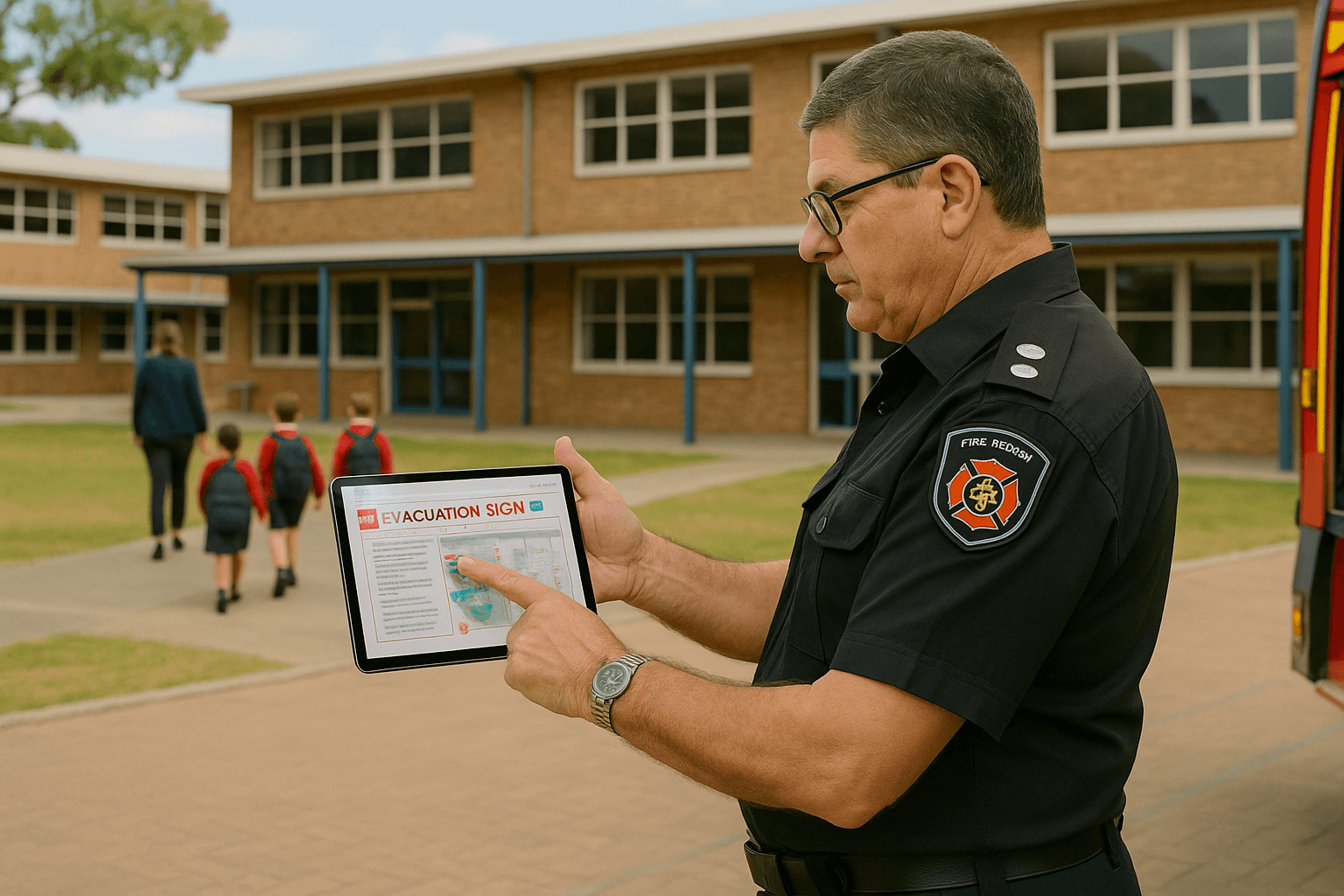
Schools Leadership Under Fire: The gaps exposed from past school fires
Emergency Planning the education setting is a critical accountability for the leadership team and Governing body of a school...

From Risk to Resilience: Hospital Strategies for Emergency Events
Accidents do happen - How Hospitals excel in emergency response and what we can learn...

How Councils can learn from each other following emergencies
Real Life Emergencies and what we can learn from them...
.png)
From Tragedy to Strategy: Strengthening Fire Safety in Aged Care
Aged Care as a Community sharing lessons learned to improve emergency preparedness in the Industry
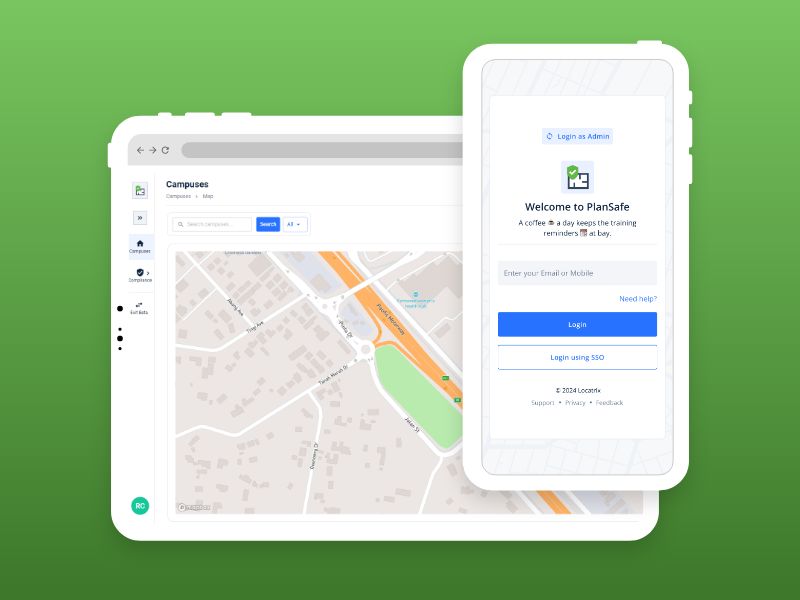
PlanSafe - July Major Release
Finally, the wait is over. The Campus and Accounts Beta is about to be released into the wild...

Introducing Darren Cobb - CFO Locatrix
Locatrix is pleased to announce the appointment of Darren Cobb as CFO...

Work Inspiration - Locatrix proudly supports The Smith Family
Locatrix participates in The Smith Family’s Work Inspiration Program...

PlanStudio 3.11
Updates to the Trace Tool, Wall Tool, icon creation and more...

Why Hospitals and Healthcare Trust Locatrix
With the ability of having complete control of keeping update floor plans, the team at Townsville have been able to help other departments with space planning.
.jpg)
Where the Wild Things Are
Balancing work life and family life is a reality for all of us, no matter who you are. So what does it look like to manage a team and travel to conferences when you have a young family? Here's Kris Brown's thoughts on just that.

It's Almost Time...
What can you expect from Locatrix at the Workplace Health & Safety Show? Declan shares what we can offer the world of WHS in this article.
.jpg)
Workplace Health & Safety - Off to the Show we go!
Locatrix's attendance at the upcoming Workplace Health & Safety Show in Melbourne

Scenic Rim Regional Council: Enjoying Confidence in PlanSafe
26 campuses mapped with PlanStudio for evacuation signs and 1,976 yearly active learners through PlanSafe...

PlanStudio 3.10
Trace Tool updates, Zone Tool improvements and more...

Mastering the Next Mountain
Locatrix Partners with Pemba, Our Sherpa for Growth...

A Complete Compliance Education at CQU with PlanSafe
With over 16,000 students studying on-campus, it is a critical in making sure safety standards are kept to a high standard.

Fraser Coast Regional Council: Commitment to Safety and Innovation
How Fraser Coast Regional Council uses innovation to deliver on its strategic promises and community.

Why the sign on the wall matters more than you think
The unseen guardian... How evacuation signs and emergency plans save lives.

PlanStudio 3.9: Introducing Trace with AI
Introducing Trace with AI! Our new AI powered Trace Tool. Now available for all PlanStudio Users

Why Use PlanStudio?
PlanStudio is transforming the way businesses create and manage evacuation signs and much more.

Why is PlanSafe Trusted by Australia’s leading brands?
PlanSafe – Created to respond to Fire Safety Reforms

Q&A with Daniel Ansorge
Have you met our man on the inside? If not, it’s about time we introduce you to...Daniel Ansorge, PlanStudio Support and volunteer fire fighter.

PlanStudio: Not Just a Plan...
Today our Partner network here in Australia and across the globe has hit 2,012 users, all of which are contributing to over 129,000,000 SQM.

Revolutionizing Emergency Evacuation Training: Why Face-to-Face Isn't Always Necessary
The case for online training

Q&A with Andreas Deakin
With PlanStudio starting to make a name for itself in Germany and our audience growing in Europe, we thought it was time to introduce our very own native German speaker, Andreas Deakin.

Enhancing Safety and Compliance: Ozcare’s Strategic Use of PlanSafe
Introduction to Ozcare’s diverse services and operational scale...

FERST Training Solutions - Risk Response Training
Ferst has found Locatrix’s PlanStudio and PlanSafe software to be complementary in servicing their customers’ needs.

FY25 Q1 Newsletter
October 2024

PlanStudio 3.8
Show multiple plans on a single diagram, modular exit signs, language selection and more...

Innovative Safety Solutions at Gold Coast Airport: The Role of PlanSafe
With over 800 aircraft movements per day and around 126,000 passengers per week, there is no denying that the responsibilities for the 400 staff members need to be managed tightly with safety at the top of the list for prioritization.

From Tragedy to Technology: How Fire Safety Reforms are Shaping the Future
Justyn Soames details how Pyrotec are enriching the fire industry with our technology.

PlanSafe Beta – Account Management
This latest PlanSafe Beta release includes a new design and interface to help you manage all your users, with some handy new features thrown in to make your life easier.

Locatrix Wins Geospatial Excellence Award
Locatrix is thrilled to share it was awarded the Innovation Award for Small Business.

What is a Bespoke Emergency Plan?
PRM is a great example of a thriving partner with the enthusiasm to innovate to best support its customers in the Health and Aged Care sector.

Fire Safety Reforms – Who do they Impact and How?
What is your building classed as? Here is an easy break down to help you understand.

It’s Not All About Excel…Georgia Hughes
Georgia is Locatrix’s Girl Friday and Amanda Eade’s right hand woman in the Finance Team...

FY24 Q4 Newsletter
July 2024

What Does it Take to Succeed?
Who doesn’t like a little update? The new financial year brings about the chance to change and grow and so it is here in our very own backyard.

PlanStudio 3.7
Door locks, custom leader line targets, edit evac path arrows, and more...

Shaping Safety: The Evolution of PlanSafe's Design
Q&A with our UI/UX Designer Hamish Thomson on PlanSafe's redesign.

PlanSafe V2 Update Q&A with George Dominic & Rhys Collyer
What it takes to change...

Locate24 National Geospatial Conference Awards Dinner - Peter Woodgate Award
Nomination - Julianne Leslie and Chad Ajamain

City of Moreton Bay
With over 10,000 inductions completed within the past 12 months, in addition to WHS, CMB is using PlanSafe to roll out training.

PlanSafe Beta – Campus Management
We’ve kicked off a brand new early access program for PlanSafe for administrators so that you can get a taste of awesome new features early.

PlanStudio 3.6
Improved wall snapping, added user groups, customisable leader line widths, and more...

FY24 Q3 Newsletter
April 2024

The Fire Safety Adviser Whisperer
BJ Kim is the pearl of this particular quarter, and rightly so for all the work he does to help coordinate our compliance team, drafters and most importantly our customers.

Planning & Protecting America’s Schools with Locatrix’s PlanViewer
How Hawkeye S3 is improving situational awareness with critical accuracy

PlanStudio 3.5
Manually configure all evacuation paths per diagram, support for multiple users on the same device, extended image importing/exporting and more…

FY24 Q2 Newsletter
December 2023

Behind The Moustache
The second person to be nominated as Employee of the Quarter, goes to Kris Brown, Exec Manager ANZ. Read Kris’s thoughts on what he does here at Locatrix and what he thinks of our products….

National Storage Finds a Way with PlanStudio
In 2020, National Storage commenced a search for an innovative solution that could address an issue of inconsistent floor plans across their 200+ sites throughout Australia and New Zealand.

Rhys’ Pieces
Q&A with Employee of the Quarter Rhys Collyer, Technical Consultant and Product Specialist.

When Does a Non-Drafter Become a Drafter?
Meet Lachlan Docherty and Jack Godfrey, our two newest members to Locatrix’s drafting team.

PlanStudio 3.4
Improved evacuation pathfinding, UI enhancements and more...

County Compliance Culture: Using Digital Data to Keep Orange County on Top of Safety
Orange County has a culture that takes Safety Seriously! This is why PlanSafe’s online Emergency Preparedness System was implemented.

Removing the Blinkers from Risk
Garry Cuddy recognises that safety induction training is not just about inducting employees, it’s just as much about educating employers too.

Why Have a Brand Promise?
Nothing tests trust more than a promise...

FY24 Q1 Newsletter
September 2023

PlanSafe Dashboard Update
Say hello to our brand-new PlanSafe Dashboard - your ultimate hub for seamless portal management.

PlanStudio 3.3
Display satellite imagery on site plans, override libraries, customise portal links, and more...

How a US Fire Department Uses Aussie Software to Solve an Age Old Problem
Traditionally in the fire service, preplans had been hand-drawn either on paper or on a computer with no georeferenced data included. Advances in technology have made it possible to create more detailed and accurate preplans using computer-aided drafting (CAD) software.

What the World is Teaching Locatrix
June and July were two extraordinary months of learning for Locatrix. Well established now in Australia, our Sales team headed over to FireEx in London and NFPA in Las Vagas in a bid to launch PlanStudio and PlanSafe onto the world stage.

Is your Child's School Mapped with PlanStudio?
PlanStudio shares its data with Emergency Services to enrich situational preparedness, will they know how to navigate your child's school?

Locatrix Enables Better Planning to Empower those Living with a Disability
How do we prepare our most vulnerable people for an emergency and how can we better empower them to Live a better life?

PlanStudio 3.2
Offline Mode: You can now download campuses and edit them while offline. To download a campus, click on the Download button in the campuses list.

The Power of Preparedness for Safer Schools
Specializing in School safety, BeSafe works to share critical building information between school administrators, emergency services and facilities management, assisting in providing the situational awareness our Heroes need, in order to keep our most vulnerable safe in the case of an emergency.

FY23 Q4 Newsletter
June 2023

Why is Indoor Mapping becoming more and more Important?
Indoor mapping of buildings is one of the fastest growing and developing markets led by recognised names such as ESRI, Here Technologies, MapsPeople and Locatrix.

Why create a PlanStudio Digital Twin for your existing building?
The collapse of Champlain Towers South in Surfside, Florida on 24 June 2021, is a tragic event that won’t be forgotten. Fire fighters searched through the ruins for almost a month to locate the 98th deceased occupant, terrible outcome and completely avoidable.

What's better than a Digital Twin? A Thin Twin!
A Digital Twin is a great concept – but what about the rest of the “family?”

Pre-EMpTing the Future
Using PlanStudio for their mapping, Fire EMT found the software to be very user friendly, of high quality and incredibly efficient.

This Could Save Your Life
Innovation is forcing accountability and personal responsibility at every level of life.

PlanStudio vs CorelDRAW vs AutoCAD
Once a fire safety company ourselves, drafting floor plans and evacuation diagrams, we were in the same boat as you.